
How to Soundproof a Door: 7 Proven Fixes for Quieter, Private Rooms
Follow this practical plan to soundproof a door using perimeter seals, automatic door bottoms, dense barriers (MLV), and mass upgrades. Works for bedrooms, studios, offices, and home theatres.

Table of Contents
Why Doors Leak Sound
Sound rides on air leaks and solid connections. Most standard interior doors are hollow-core and have gaps on three sides and the undercut. To soundproof a door effectively you must:
Rule of thumb: a 1% open perimeter can reduce isolation dramatically. Weatherstripping + an automatic door bottom is the fastest win.
How to Soundproof a Door: 7 Proven Fixes
- Add perimeter seals: Apply compressible acoustic weatherstripping to the head and jambs. Aim for consistent, even compression.
- Install an automatic door bottom: A drop seal lowers when the door closes to seal the undercut without scraping floors.
- Fit a solid threshold/saddle: Use an aluminum/wood threshold for the drop seal to land on, or a low-profile sill if wheelchair access is needed.
- Increase mass: Upgrade to a solid-core door or add a dense layer like MLV (Mass-Loaded Vinyl) laminated under a decorative skin.
- Seal hardware & penetrations: Gasket the latch, hinges, viewer, and any cable pass-throughs with acoustic sealant or putty pads.
- Reduce frame flanking: Backer-rod and acoustical caulk between frame and wall; pack the cavity with mineral wool where accessible.
- Create a lobby (best): Add a second door to form an airlock. Ideal for studios and home theatres.

Materials & Tools
Materials
- Acoustic weatherstripping (head & jambs)
- Automatic door bottom (drop seal) + threshold
- MLV barrier (optional mass layer)
- Acoustic sealant / putty pads
- Solid-core door slab (upgrade option)
Tools
- Measuring tape, square, and pencil
- Fine saw / hacksaw (threshold), drill/driver
- Roller for MLV adhesion
- Utility knife, caulking gun
Install Tips that Matter
- Prep first: Plane the door if it rubs; you need smooth, even contact for gaskets.
- Mind the corners: Miter weatherstrip ends; don’t leave 1–2 mm light leaks.
- Set the drop seal height: It should compress on the threshold, not drag.
- Laminate MLV cleanly: Full-surface adhesion under a thin skin (HDF/ply + paint/veneer). Seal edges.
- Test with a torch: Stand on the dark side; any visible light = a leak to fix.
Curious about ratings? See STC basics and the standardized lab method in ASTM E90; field tests use ISO 16283.
Advanced Upgrades (When You Need More)
Solid-Core + MLV Skin
Combine a solid-core slab with a full-coverage MLV layer and a new aesthetic skin for a compact mass boost.
Double Door Lobby
Create an airlock with two sealed doors separated by 100–300 mm. Huge benefit for studios and theatres.
Frame Isolation
On new builds, use backer-rod + acoustical caulk and pack the frame cavity with mineral wool to cut flanking.
Recommended Products
Mass-Loaded Vinyl (MLV)
Dense, flexible barrier to add mass to lightweight doors without major thickness.
Shop MLV BarrierEchoshield Acoustic Panels
Treat echoes in the room after you stop leaks at the door for maximum clarity.
View Echoshield PanelsDoor Seal Kits
Perimeter gaskets, drop seals, and thresholds sized to your door.
Request a Custom KitReady to Soundproof Your Door?
We’ll size the seals, specify the right drop bottom, and recommend a mass upgrade tailored to your door and floor type.
Keep the focus keyword “How to Soundproof a Door” in your SEO plugin for best scoring.
How to Soundproof a Door: 7 Proven Fixes for Quieter, Private Rooms
Follow this practical plan to soundproof a door using perimeter seals, automatic door bottoms, dense barriers (MLV), and mass upgrades. Works for bedrooms, studios, offices, and home theatres.
Table of Contents
Why Doors Leak Sound
Sound rides on air leaks and solid connections. Most standard interior doors are hollow-core and have gaps on three sides and the undercut. To soundproof a door effectively you must:
Rule of thumb: a 1% open perimeter can reduce isolation dramatically. Weatherstripping + an automatic door bottom is the fastest win.
How to Soundproof a Door: 7 Proven Fixes
- Add perimeter seals: Apply compressible acoustic weatherstripping to the head and jambs. Aim for consistent, even compression.
- Install an automatic door bottom: A drop seal lowers when the door closes to seal the undercut without scraping floors.
- Fit a solid threshold/saddle: Use an aluminum/wood threshold for the drop seal to land on, or a low-profile sill if wheelchair access is needed.
- Increase mass: Upgrade to a solid-core door or add a dense layer like MLV (Mass-Loaded Vinyl) laminated under a decorative skin.
- Seal hardware & penetrations: Gasket the latch, hinges, viewer, and any cable pass-throughs with acoustic sealant or putty pads.
- Reduce frame flanking: Backer-rod and acoustical caulk between frame and wall; pack the cavity with mineral wool where accessible.
- Create a lobby (best): Add a second door to form an airlock. Ideal for studios and home theatres.
Materials & Tools
Materials
- Acoustic weatherstripping (head & jambs)
- Automatic door bottom (drop seal) + threshold
- MLV barrier (optional mass layer)
- Acoustic sealant / putty pads
- Solid-core door slab (upgrade option)
Tools
- Measuring tape, square, and pencil
- Fine saw / hacksaw (threshold), drill/driver
- Roller for MLV adhesion
- Utility knife, caulking gun
Install Tips that Matter
- Prep first: Plane the door if it rubs; you need smooth, even contact for gaskets.
- Mind the corners: Miter weatherstrip ends; don’t leave 1–2 mm light leaks.
- Set the drop seal height: It should compress on the threshold, not drag.
- Laminate MLV cleanly: Full-surface adhesion under a thin skin (HDF/ply + paint/veneer). Seal edges.
- Test with a torch: Stand on the dark side; any visible light = a leak to fix.
Curious about ratings? See STC basics and the standardized lab method in ASTM E90; field tests use ISO 16283.
Advanced Upgrades (When You Need More)
Solid-Core + MLV Skin
Combine a solid-core slab with a full-coverage MLV layer and a new aesthetic skin for a compact mass boost.
Double Door Lobby
Create an airlock with two sealed doors separated by 100–300 mm. Huge benefit for studios and theatres.
Frame Isolation
On new builds, use backer-rod + acoustical caulk and pack the frame cavity with mineral wool to cut flanking.
Recommended Products
Mass-Loaded Vinyl (MLV)
Dense, flexible barrier to add mass to lightweight doors without major thickness.
Shop MLV BarrierEchoshield Acoustic Panels
Treat echoes in the room after you stop leaks at the door for maximum clarity.
View Echoshield PanelsDoor Seal Kits
Perimeter gaskets, drop seals, and thresholds sized to your door.
Request a Custom KitReady to Soundproof Your Door?
We’ll size the seals, specify the right drop bottom, and recommend a mass upgrade tailored to your door and floor type.
Keep the focus keyword “How to Soundproof a Door” in your SEO plugin for best scoring.
How to Soundproof a Door: 7 Proven Fixes for Quieter, Private Rooms
Follow this practical plan to soundproof a door using perimeter seals, automatic door bottoms, dense barriers (MLV), and mass upgrades. Works for bedrooms, studios, offices, and home theatres.
Table of Contents
Why Doors Leak Sound
Sound rides on air leaks and solid connections. Most standard interior doors are hollow-core and have gaps on three sides and the undercut. To soundproof a door effectively you must:
Rule of thumb: a 1% open perimeter can reduce isolation dramatically. Weatherstripping + an automatic door bottom is the fastest win.
How to Soundproof a Door: 7 Proven Fixes
- Add perimeter seals: Apply compressible acoustic weatherstripping to the head and jambs. Aim for consistent, even compression.
- Install an automatic door bottom: A drop seal lowers when the door closes to seal the undercut without scraping floors.
- Fit a solid threshold/saddle: Use an aluminum/wood threshold for the drop seal to land on, or a low-profile sill if wheelchair access is needed.
- Increase mass: Upgrade to a solid-core door or add a dense layer like MLV (Mass-Loaded Vinyl) laminated under a decorative skin.
- Seal hardware & penetrations: Gasket the latch, hinges, viewer, and any cable pass-throughs with acoustic sealant or putty pads.
- Reduce frame flanking: Backer-rod and acoustical caulk between frame and wall; pack the cavity with mineral wool where accessible.
- Create a lobby (best): Add a second door to form an airlock. Ideal for studios and home theatres.
Materials & Tools
Materials
- Acoustic weatherstripping (head & jambs)
- Automatic door bottom (drop seal) + threshold
- MLV barrier (optional mass layer)
- Acoustic sealant / putty pads
- Solid-core door slab (upgrade option)
Tools
- Measuring tape, square, and pencil
- Fine saw / hacksaw (threshold), drill/driver
- Roller for MLV adhesion
- Utility knife, caulking gun
Install Tips that Matter
- Prep first: Plane the door if it rubs; you need smooth, even contact for gaskets.
- Mind the corners: Miter weatherstrip ends; don’t leave 1–2 mm light leaks.
- Set the drop seal height: It should compress on the threshold, not drag.
- Laminate MLV cleanly: Full-surface adhesion under a thin skin (HDF/ply + paint/veneer). Seal edges.
- Test with a torch: Stand on the dark side; any visible light = a leak to fix.
Curious about ratings? See STC basics and the standardized lab method in ASTM E90; field tests use ISO 16283.
Advanced Upgrades (When You Need More)
Solid-Core + MLV Skin
Combine a solid-core slab with a full-coverage MLV layer and a new aesthetic skin for a compact mass boost.
Double Door Lobby
Create an airlock with two sealed doors separated by 100–300 mm. Huge benefit for studios and theatres.
Frame Isolation
On new builds, use backer-rod + acoustical caulk and pack the frame cavity with mineral wool to cut flanking.
Recommended Products
Mass-Loaded Vinyl (MLV)
Dense, flexible barrier to add mass to lightweight doors without major thickness.
Shop MLV BarrierEchoshield Acoustic Panels
Treat echoes in the room after you stop leaks at the door for maximum clarity.
View Echoshield PanelsDoor Seal Kits
Perimeter gaskets, drop seals, and thresholds sized to your door.
Request a Custom KitReady to Soundproof Your Door?
We’ll size the seals, specify the right drop bottom, and recommend a mass upgrade tailored to your door and floor type.
Keep the focus keyword “How to Soundproof a Door” in your SEO plugin for best scoring.
How to Soundproof a Door: 7 Proven Fixes for Quieter, Private Rooms
Follow this practical plan to soundproof a door using perimeter seals, automatic door bottoms, dense barriers (MLV), and mass upgrades. Works for bedrooms, studios, offices, and home theatres.
Table of Contents
Why Doors Leak Sound
Sound rides on air leaks and solid connections. Most standard interior doors are hollow-core and have gaps on three sides and the undercut. To soundproof a door effectively you must:
Rule of thumb: a 1% open perimeter can reduce isolation dramatically. Weatherstripping + an automatic door bottom is the fastest win.
How to Soundproof a Door: 7 Proven Fixes
- Add perimeter seals: Apply compressible acoustic weatherstripping to the head and jambs. Aim for consistent, even compression.
- Install an automatic door bottom: A drop seal lowers when the door closes to seal the undercut without scraping floors.
- Fit a solid threshold/saddle: Use an aluminum/wood threshold for the drop seal to land on, or a low-profile sill if wheelchair access is needed.
- Increase mass: Upgrade to a solid-core door or add a dense layer like MLV (Mass-Loaded Vinyl) laminated under a decorative skin.
- Seal hardware & penetrations: Gasket the latch, hinges, viewer, and any cable pass-throughs with acoustic sealant or putty pads.
- Reduce frame flanking: Backer-rod and acoustical caulk between frame and wall; pack the cavity with mineral wool where accessible.
- Create a lobby (best): Add a second door to form an airlock. Ideal for studios and home theatres.
Materials & Tools
Materials
- Acoustic weatherstripping (head & jambs)
- Automatic door bottom (drop seal) + threshold
- MLV barrier (optional mass layer)
- Acoustic sealant / putty pads
- Solid-core door slab (upgrade option)
Tools
- Measuring tape, square, and pencil
- Fine saw / hacksaw (threshold), drill/driver
- Roller for MLV adhesion
- Utility knife, caulking gun
Install Tips that Matter
- Prep first: Plane the door if it rubs; you need smooth, even contact for gaskets.
- Mind the corners: Miter weatherstrip ends; don’t leave 1–2 mm light leaks.
- Set the drop seal height: It should compress on the threshold, not drag.
- Laminate MLV cleanly: Full-surface adhesion under a thin skin (HDF/ply + paint/veneer). Seal edges.
- Test with a torch: Stand on the dark side; any visible light = a leak to fix.
Curious about ratings? See STC basics and the standardized lab method in ASTM E90; field tests use ISO 16283.
Advanced Upgrades (When You Need More)
Solid-Core + MLV Skin
Combine a solid-core slab with a full-coverage MLV layer and a new aesthetic skin for a compact mass boost.
Double Door Lobby
Create an airlock with two sealed doors separated by 100–300 mm. Huge benefit for studios and theatres.
Frame Isolation
On new builds, use backer-rod + acoustical caulk and pack the frame cavity with mineral wool to cut flanking.
Recommended Products
Mass-Loaded Vinyl (MLV)
Dense, flexible barrier to add mass to lightweight doors without major thickness.
Shop MLV BarrierEchoshield Acoustic Panels
Treat echoes in the room after you stop leaks at the door for maximum clarity.
View Echoshield PanelsDoor Seal Kits
Perimeter gaskets, drop seals, and thresholds sized to your door.
Request a Custom KitReady to Soundproof Your Door?
We’ll size the seals, specify the right drop bottom, and recommend a mass upgrade tailored to your door and floor type.
Keep the focus keyword “How to Soundproof a Door” in your SEO plugin for best scoring.
Soundproof Door
The EchoBlock Soundproof Door is a high-performance acoustic door system designed to provide maximum sound insulation and privacy for recording studios, offices, conference rooms, theaters, and industrial spaces..
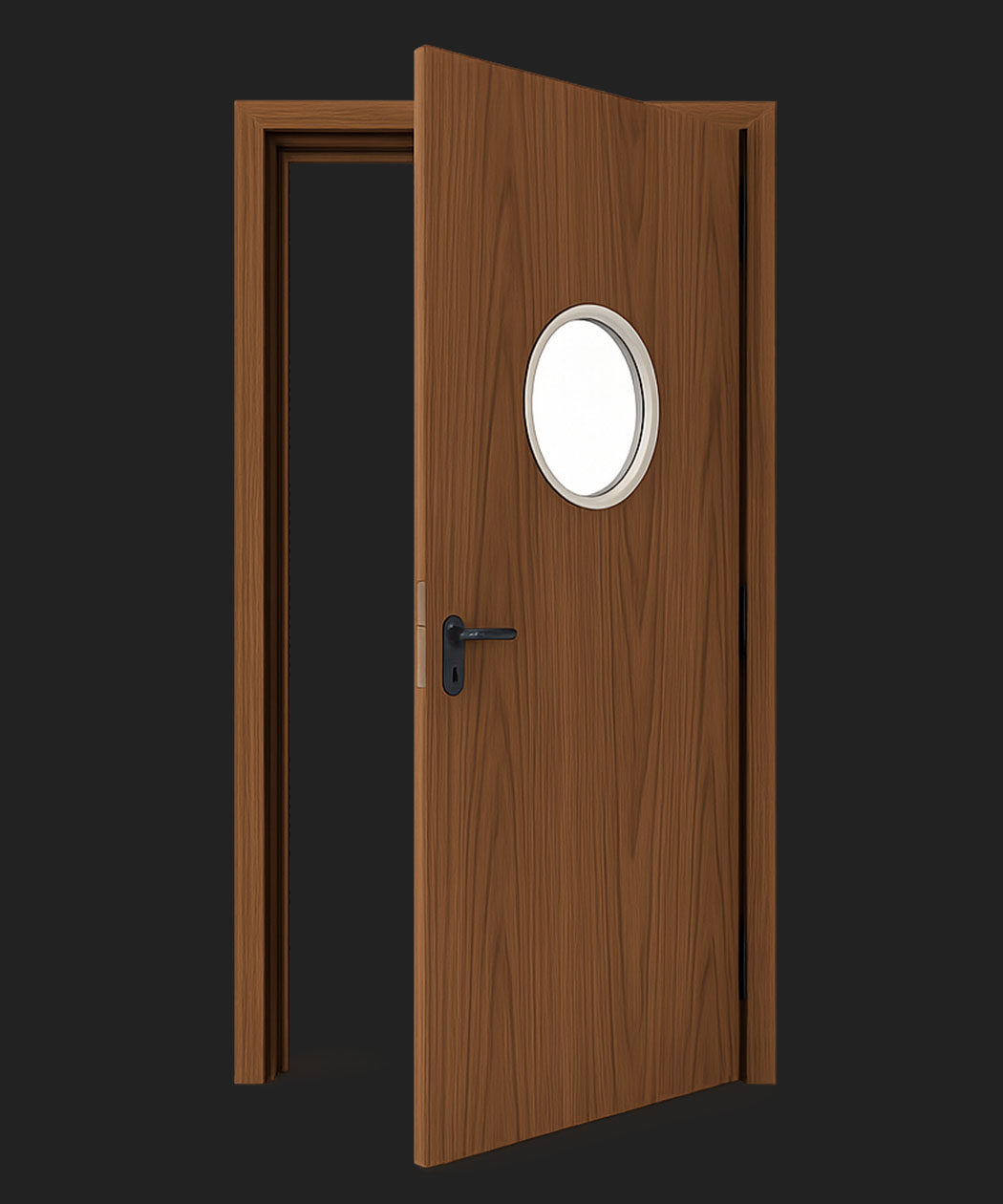
EchoBlock Soundproof Door
Engineered for studios, office cabins, home theatres, and hospitality spaces. Built with a high-density acoustic core, compression rubber seals, and an automatic door bottom seal for maximum STC performance.